FRAME

Conservation Framing to Preserve Valuable Artwork

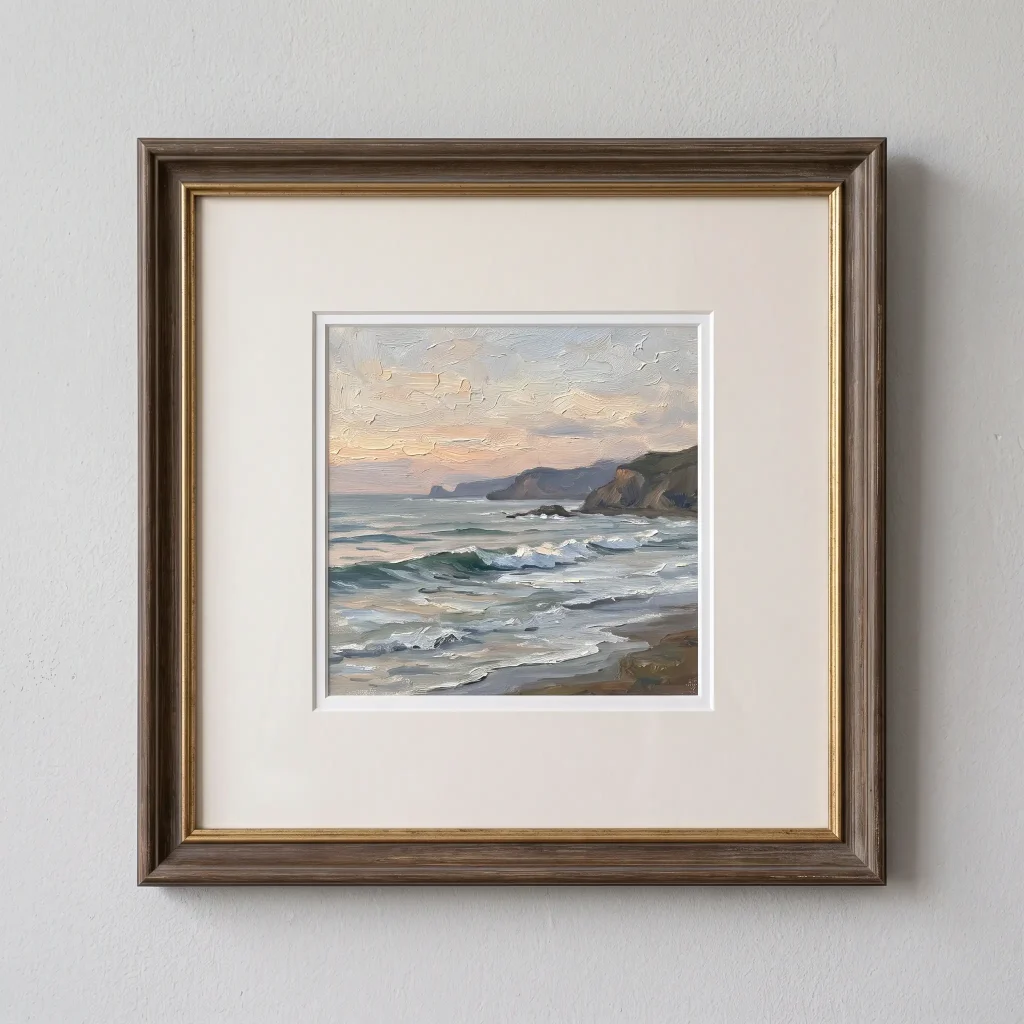
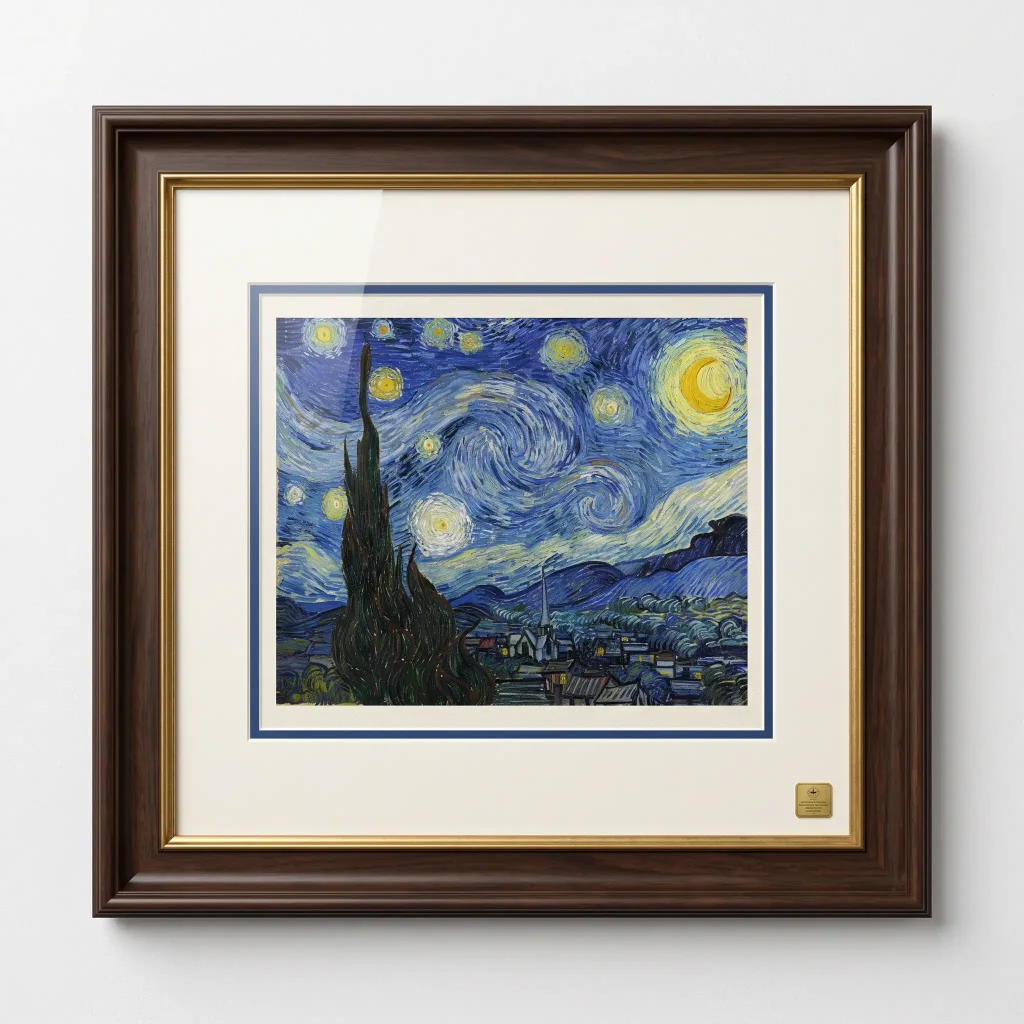
Art Glass is an added compliment and protection to your precious framed artwork which gives supreme clarity, preserves the true color, texture and beauty.

PRESERVE YOUR ARTWORK

Objects and artworks that are to be preserved for future generations and collectables should be framed to Conservation Level which should be good for 20 years in normal conditions.

Quality picture framing service in Dubai

We provide bespoke frames with impeccable service across UAE with pick up delivery and express services

Museum glass

Mounting corners

100% cotton mount board

Lineco/Hayaku hinging tape

Protection & beauty for your framed art work.

We provide the best in quality art glass that protects your art work from UV rays and give less than 1% reflection that comes in either 70% or 99%

Key Elements of Conservation Framing

A conservation frame is carefully built around the needs of the artwork. Each component, including the mount board, mounting method, glazing, spacing and backing, is selected to provide support and reduce potential sources of long term damage.
Acid Free Mount Board
Helps reduce the risk associated with acidic materials coming into contact with artwork.
Uses appropriate methods to secure the artwork while reducing unnecessary damage.
Helps reduce UV related damage caused by light exposure.
Helps prevent artwork from directly touching the glazing.
Provides support while helping create a more appropriate protective environment.

Ideal for Collectors and Valuable Artwork

Canvas Stretching Professionals

Original Artwork

Protect the character and material of an original piece while creating a refined presentation designed around the artwork.

professional framing dubai

Limited Editions

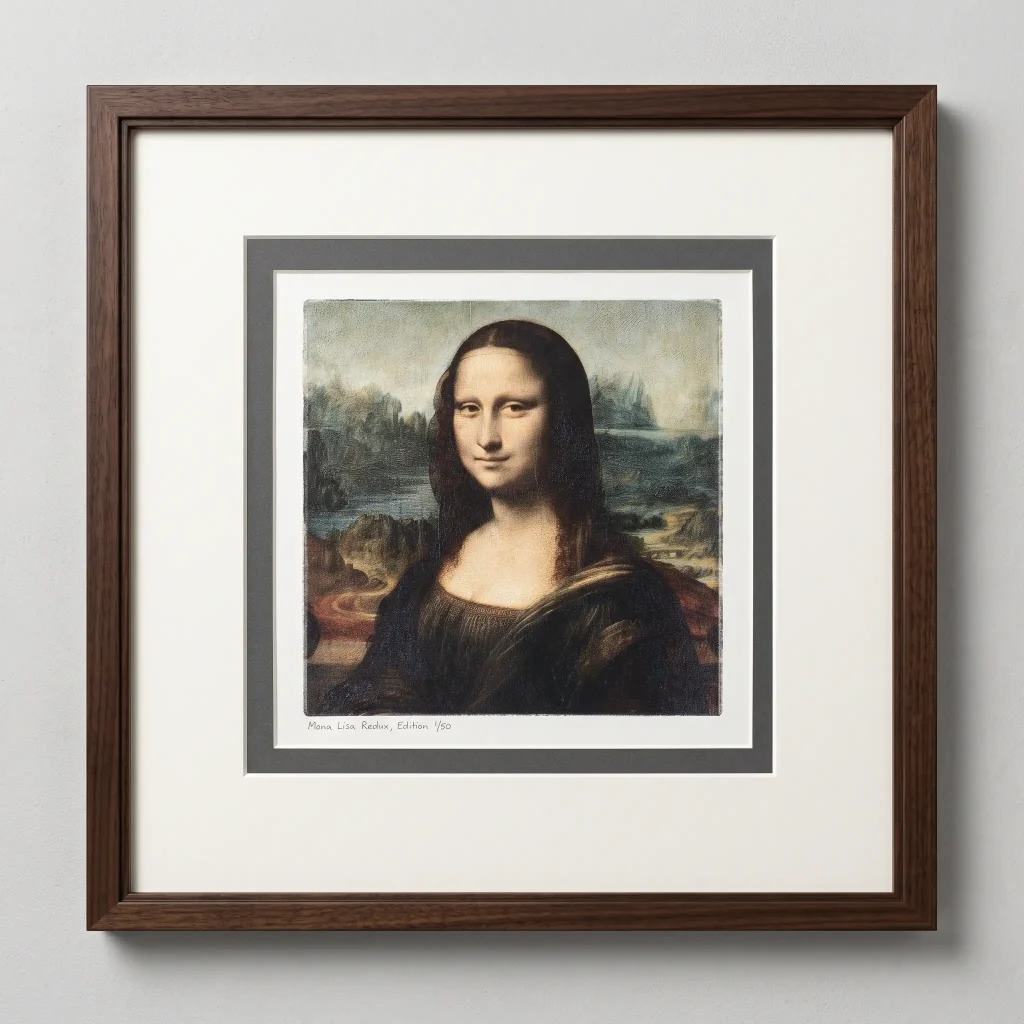
Preserve collectible prints with carefully selected mounting and glazing that can help minimise unnecessary exposure and intervention.

Fine Art Prints

Give valuable prints an added layer of protection from UV exposure and unsuitable framing materials.

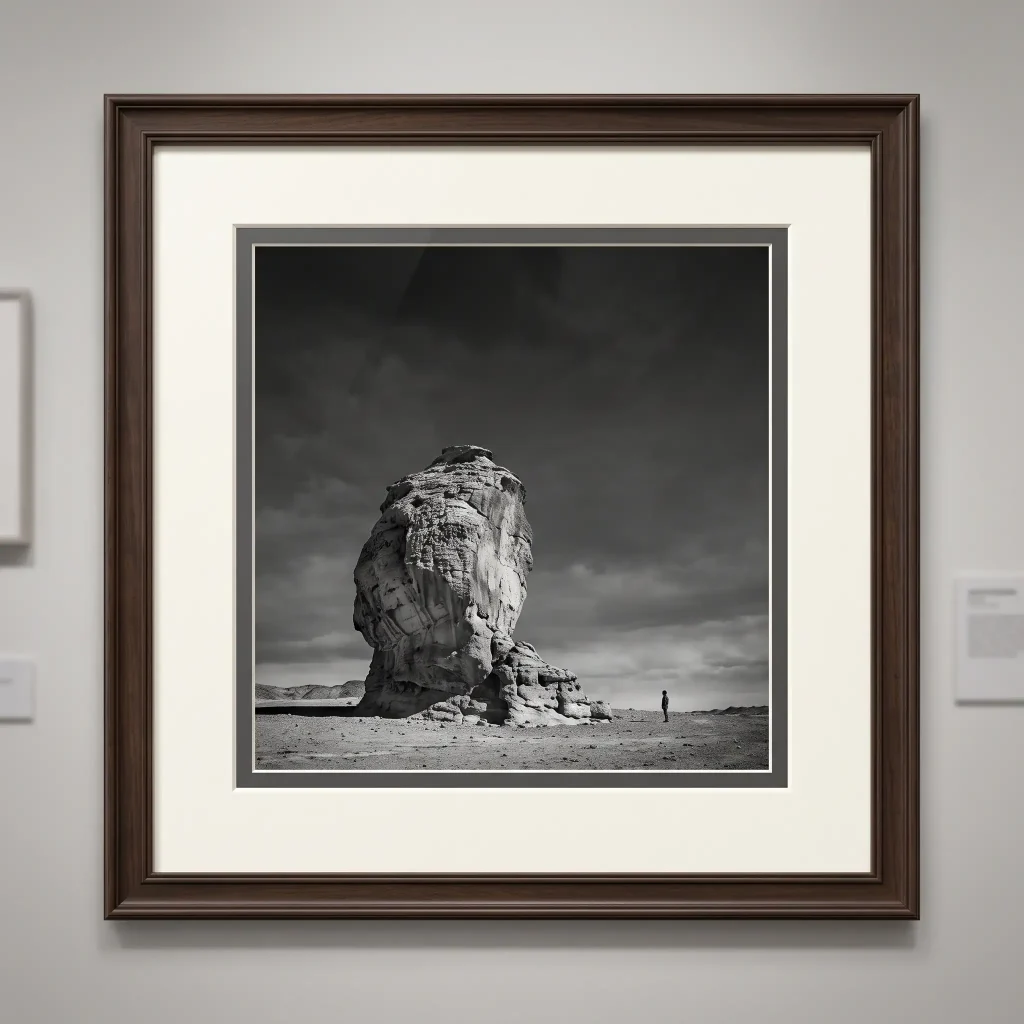
Photography

Present fine art photography with clear, protective glazing while reducing exposure to ultraviolet light.

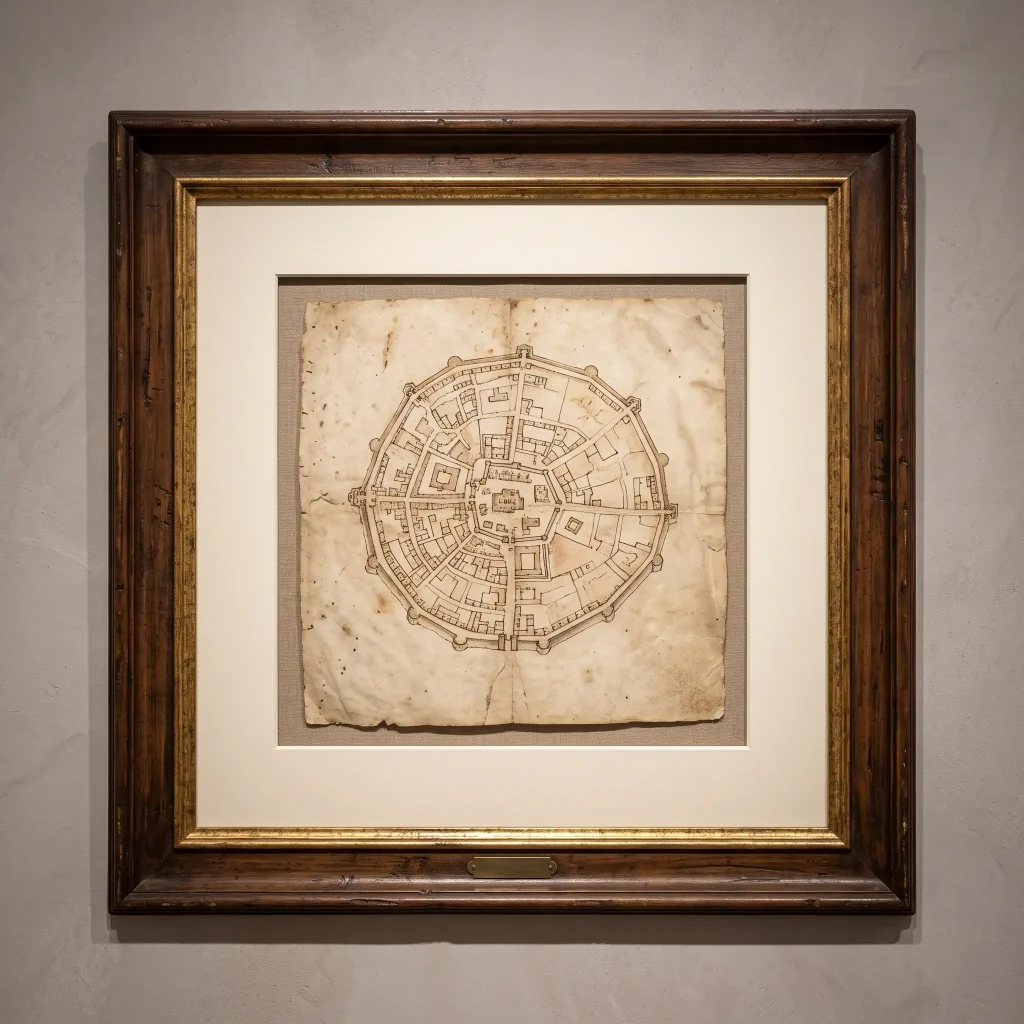
Historical Pieces

Older and historically significant pieces require a more careful approach. The framing specification can be adapted to the artwork's age, condition and materials.

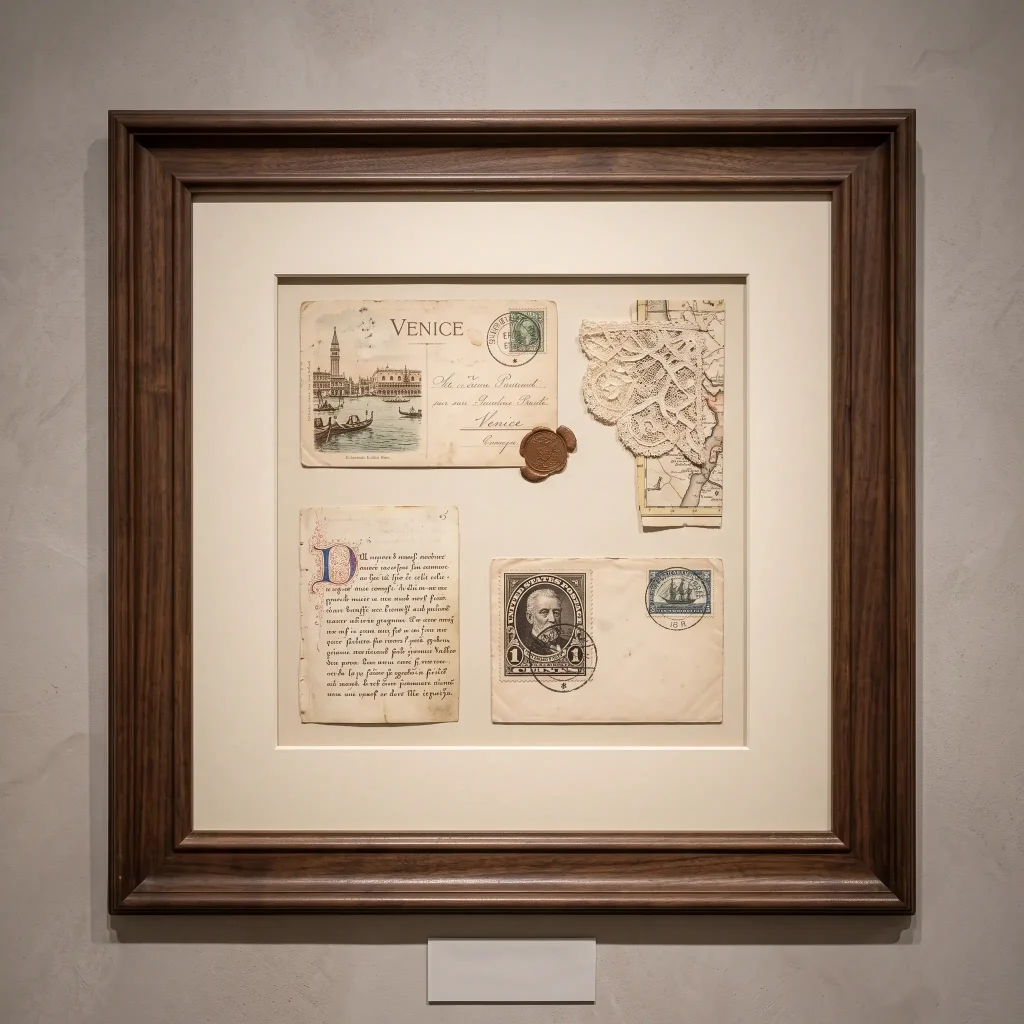
Collectibles

From signed pieces and memorabilia to documents and textiles, conservation framing can provide a safer display environment for important collections.

Why Choose Qube Art Gallery for Conservation Framing?

Your artwork deserves more than a beautiful frame. It needs a framing system designed around its material, condition and long term protection.

At Qube Art Gallery, we combine over 15 years of framing experience with carefully selected conservation materials and technical framing methods.

15+ Years of Framing Experience

Our experienced framing team has worked with thousands of artworks and understands the different requirements of paper, canvas, photography, prints and other art materials.

pH Neutral Acid Free Materials

We use pH neutral acid free mount boards and other suitable archival materials to reduce the risk of harmful chemical interaction with artwork.

Advanced Glazing Options

Choose from UV protective glass and Art Glass options, including up to 99% UV protection, depending on the artwork and protection required.

Reversible Framing Methods

Where appropriate, we use framing and mounting methods that allow the artwork to be removed without unnecessary permanent intervention.

Custom Internal Construction

The space between the artwork, glazing, mount and backing is carefully considered to create the right internal structure for the piece.

Experienced With Valuable Artwork

Qube has framed more than 30,000 artworks and served more than 2,000 artists and collectors globally.

FAQs

1. What makes conservation framing different from standard custom framing?
Conservation framing considers the artwork’s long term preservation, not only its appearance. It can involve acid free and archival materials, suitable mounting methods, protective glazing, spacers, backing and a properly constructed frame enclosure. The exact combination depends on the artwork and its condition.
Acidic materials can contribute to yellowing, staining and deterioration, especially when used close to paper based artwork. Conservation framing uses suitable acid free or archival mount boards to reduce the risk of harmful material contact with the artwork.
UV protective glazing helps reduce the amount of ultraviolet radiation reaching the artwork. This is particularly useful for works on paper, photography, prints, watercolours and other light sensitive materials. UV protection does not make artwork completely immune to fading, so controlling the artwork’s overall light exposure is still important.
Direct contact between artwork and glazing can create problems for certain materials. A spacer or mount can create a controlled gap between the artwork and glazing, reducing the chance of physical contact and allowing the artwork to be displayed more safely.
Yes, where appropriate. Conservation focused mounting methods can be selected so that the artwork can be removed or reframed with minimal intervention. This is particularly important for valuable artwork, limited editions and historic works where permanent adhesives or irreversible mounting methods may be unsuitable.
No. They solve different problems. UV protective glazing is designed to reduce UV exposure. Anti reflective glazing is designed to reduce reflections and improve visibility. Some specialist glazing products can provide both features, so the correct option should be selected based on the artwork, lighting and display environment.
It can, but the framing approach depends on the artwork’s condition, materials and structure. Older or fragile artwork may require additional assessment before framing. If there are issues such as flaking paint, mould, severe damage or structural instability, professional conservation treatment may be needed before the artwork is framed.
The backing is part of the protective enclosure around the artwork. A suitable backing can provide structural support and help reduce exposure to dust and airborne pollutants. The backing material and how the frame is sealed should be selected according to the artwork and framing requirements.
Conservation framing can help create a more protective enclosure around artwork, but it cannot completely control the surrounding environment. Dubai’s heat, humidity changes, air conditioning and strong sunlight can all be relevant considerations. For sensitive artwork, the display location and indoor environmental conditions should be considered together with the framing system.